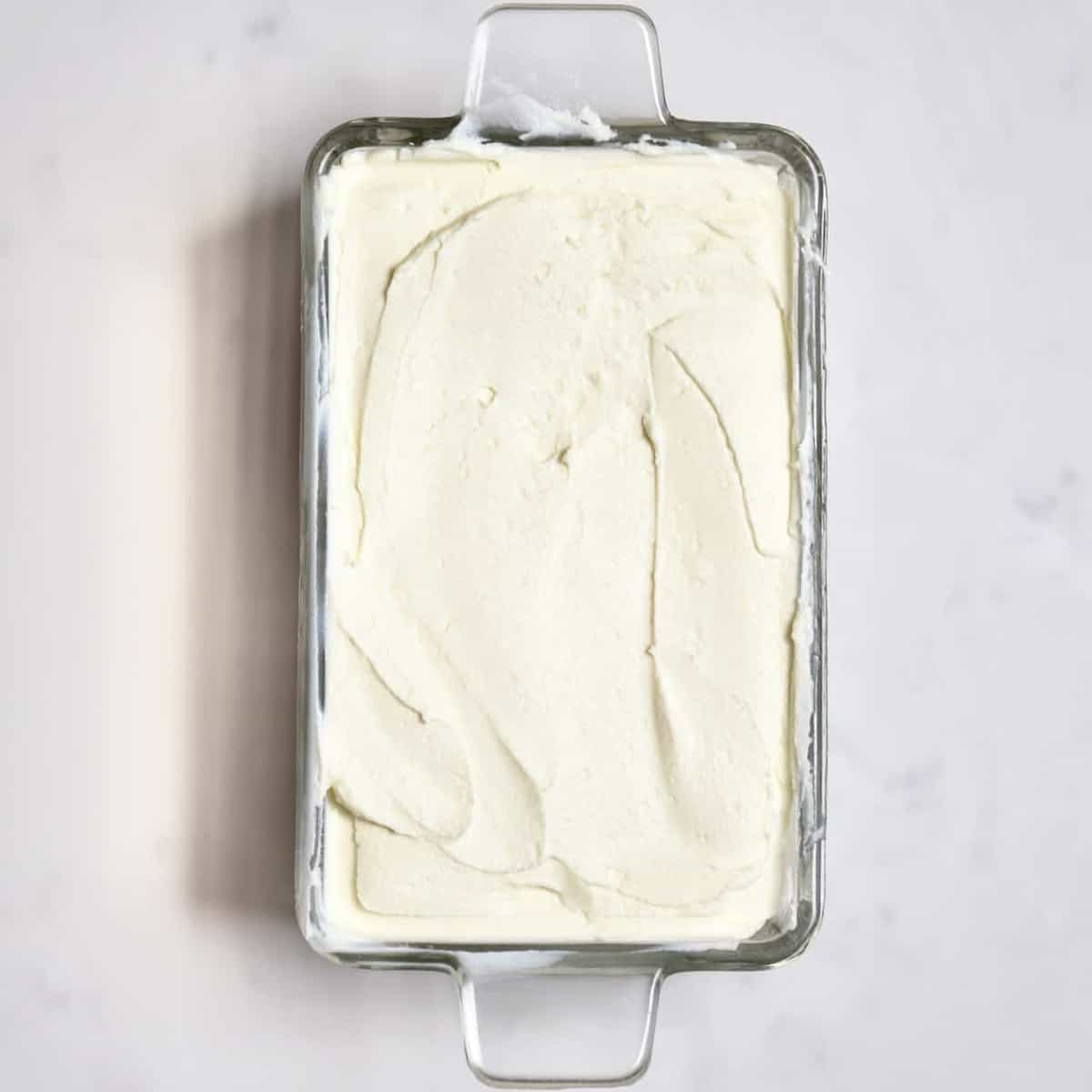
Whip Up Super Easy Homemade Cream Cheese in 10 Minutes
Imagine spreading a dollop of incredibly fresh, creamy, and flavorful cream cheese on your morning bagel, knowing you made it yourself in less time than it takes to brew a pot of coffee. Sounds too good to be true? Prepare to be delightfully surprised! Making super easy homemade cream cheese is not only incredibly simple, requiring just two core ingredients and about 10 minutes of active prep, but it also opens up a world of culinary possibilities that store-bought options simply can't match.
For years, many of us have relied solely on supermarket shelves for our cream cheese fix, unaware that a more delicious, customizable, and healthier alternative was within reach. This isn't one of those complicated cheese-making endeavors that requires rennet, cultures, or specialized equipment. No, this method is so straightforward, you'll wonder why you haven't been doing it for ages. If you've enjoyed mastering recipes like DIY Cream Cheese: 2-Ingredient Recipe for Sweet & Savory Uses or even Easiest Homemade Cream Cheese: No Culture, Just 2 Simple Ingredients, then this next-level simplicity will truly impress you.
Beyond its impressive speed, crafting your own cream cheese allows for complete control over ingredients, ensuring a product free from preservatives, thickeners, or artificial flavors. Plus, the fresh taste and smooth texture are simply unparalleled. Get ready to transform everyday milk into a culinary delight that will elevate everything from breakfast to dessert!
Why Go Homemade? The Irresistible Allure of DIY Cream Cheese
In a world of convenience, sometimes the greatest luxury is the ability to create something truly exceptional with your own hands. This is especially true for our super easy homemade cream cheese. Here's why making it yourself is a game-changer:
- Unmatched Freshness and Flavor: Store-bought cream cheese, while convenient, often pales in comparison to the vibrant, clean taste of a freshly made batch. You'll notice a significant difference in flavor and texture, which is smoother and more luxurious.
- Complete Ingredient Control: Say goodbye to unnecessary additives, stabilizers, and preservatives. When you make cream cheese at home, you dictate what goes into it – just milk, acid, and a pinch of salt if you choose. This is particularly appealing for those with dietary concerns or a desire for cleaner eating.
- Cost-Effective: While milk prices vary, transforming a gallon of milk into a cup of premium cream cheese is often more economical than purchasing specialty brands. You're essentially getting a high-quality product for a fraction of the price.
- Customization Galore: This is where the real fun begins! Homemade cream cheese is a blank canvas for your culinary imagination. Whether you crave sweet, savory, spicy, or herby, you can infuse any flavor profile directly into your batch.
- Zero Waste Potential: Not only do you get delicious cream cheese, but the byproduct – whey – is a nutritional powerhouse that can be repurposed in countless ways, contributing to a more sustainable kitchen.
- The Sheer Satisfaction of DIY: There's an undeniable joy and sense of accomplishment that comes from making something from scratch. Plus, impressing friends and family with your homemade creation is always a bonus!
The Simple Magic: Ingredients & Essential Tools for Your Super Easy Homemade Cream Cheese
The beauty of this recipe lies in its minimalist approach. You don't need fancy gadgets or obscure ingredients to whip up your own batch of super easy homemade cream cheese. Here’s what you’ll need:
Key Ingredients:
- Whole Milk (8 cups / approx. 2 liters): This is the foundation of your cream cheese. For the best results, opt for whole milk that is pasteurized but not ultra-high temperature (UHT) processed. UHT milk undergoes intense heat treatment that can alter its protein structure, making it less reliable for curdling. Raw milk can also work beautifully. While whole milk yields the creamiest result, you can experiment with combining milk and cream, or even using lactose-free milk, which still contains the proteins necessary for curdling. The higher the fat content, the richer your cream cheese will be.
- Lemon Juice or White Vinegar (5 Tbsp): This is your acid, the magical catalyst that will separate the milk into curds and whey. Freshly squeezed lemon juice offers a subtle brightness, while white vinegar provides a clean, neutral tang. Both work equally well.
- Salt (1/2 tsp, optional, to taste): A pinch of salt enhances the flavor and can provide a slight preservative effect. Adjust to your preference, or omit if you plan to use the cream cheese in a sweet application.
Essential Equipment:
- Large Saucepan: For heating the milk.
- Cheesecloth: Absolutely vital for straining the curds effectively. A good quality, tightly woven cheesecloth will ensure minimal loss of curds and efficient whey removal.
- Sieve or Colander: To hold the cheesecloth and curds over a bowl, allowing the whey to drain.
- Slotted Spoon: Useful for scooping curds, or as an alternative to a sieve for initial separation.
- Food Processor or Blender: Essential for transforming the drained curds into a smooth, fluffy, spreadable cream cheese.
- Airtight Container: For storing your finished product.
That's it! No cultures, no rennet, no complex fermentation. Just simple, everyday kitchen staples ready to be transformed.
Step-by-Step Guide: Whipping Up Your Super Easy Homemade Cream Cheese
Follow these straightforward steps, and in mere minutes, you'll be enjoying your own incredibly fresh batch of super easy homemade cream cheese.
- Gently Heat the Milk: Pour 8 cups of whole milk into your large saucepan. Place it over medium-high heat and bring it to a gentle simmer. You’ll see small bubbles forming around the edges and a faint wisp of steam. This usually takes about 5-7 minutes. Crucially, do not let it come to a rolling boil. A gentle simmer for 1-2 minutes is perfect; boiling can scorch the milk and negatively impact the texture of your cream cheese.
- Introduce the Acid: Once the milk is simmering, remove the saucepan from the heat. Stir in 5 tablespoons of lemon juice or white vinegar. Give it a gentle stir to ensure the acid is evenly distributed throughout the milk.
- Witness the Magic – Curdling!: Let the mixture sit undisturbed for 5-10 minutes. During this time, you'll observe the milk visibly separating. Solid white clumps (curds) will form, distinctly separating from a yellowish, translucent liquid (whey). This is exactly what you want! If after 10 minutes, the separation isn't clear, you can add another teaspoon of acid and wait a few more minutes.
- Strain the Curds: Line your sieve or colander with a double layer of cheesecloth and place it over a large bowl (to catch the precious whey). Carefully pour the curdled milk into the cheesecloth-lined sieve. The whey will immediately start draining into the bowl below, leaving the curds behind. Alternatively, you can use a slotted spoon to scoop the curds directly from the saucepan, leaving the majority of the whey behind.
- Rinse and Squeeze: Gently rinse the curds under cold running water for about 30 seconds. This step is important as it washes away any residual acidic taste from the lemon juice or vinegar, ensuring a neutral base for your cream cheese. Gather the corners of the cheesecloth and twist tightly, squeezing out as much remaining liquid as possible. The drier the curds, the thicker and firmer your cream cheese will be. You want them to feel firm and crumbly.
- Blend to Perfection: Transfer the strained and squeezed curds to a food processor or high-speed blender. Add ½ teaspoon of salt (if using). Process on high speed until the mixture is completely smooth and fluffy. This can take a few minutes, so be patient and scrape down the sides as needed. For an extra creamy, spreadable texture, you can add 1-2 tablespoons of the reserved whey back into the food processor and blend until you reach your desired consistency. Start with a little and add more if needed.
- Optional Flavor Infusions: Now's the time to get creative! Add in any desired flavorings such as dried herbs, fresh minced garlic, a pinch of chili flakes, black pepper, or even a touch of honey or vanilla extract for a sweet version. Blend briefly to incorporate.
- Enjoy or Store: Your super easy homemade cream cheese is now ready to be enjoyed! Spread it on bagels, crackers, toast, or use it in your favorite recipes. Store any leftovers in an airtight container in the refrigerator for up to 7 days, or freeze for up to 2 months. Note that adding fresh herbs or garlic might slightly shorten its shelf life.
Unleash Your Culinary Creativity: Flavor Variations & Savory/Sweet Uses
One of the most exciting aspects of making your own super easy homemade cream cheese is the endless possibilities for customization. Move beyond plain and explore a spectrum of flavors and applications!
Irresistible Flavor Combinations:
- Herby Delight: Blend in fresh chopped chives, dill, parsley, or a mix of Italian herbs. A touch of garlic powder can elevate this even further.
- Garlic & Herb: minced fresh garlic or garlic powder with dried oregano and basil.
- Spicy Kick: Incorporate red pepper flakes, a dash of cayenne pepper, or a swirl of Sriracha.
- Sweet Treat: Mix in a tablespoon of honey, maple syrup, vanilla extract, or even a sprinkle of cinnamon for a dessert-ready spread. A tiny amount of cocoa powder can create a chocolate-hazelnut inspired spread.
- Everything Bagel: Incorporate a generous amount of everything bagel seasoning for an instant classic.
- Smoked Paprika & Onion: For a savory, robust flavor profile.
Versatile Culinary Applications:
Your homemade cream cheese isn't just for bagels! Its fresh, clean taste and smooth texture make it incredibly versatile:
- Breakfast & Brunch: The quintessential bagel spread, an elevated toast topping, or dolloped onto pancakes and waffles.
- Savory Spreads & Dips: A fantastic base for veggie dips, sandwich spreads, or stuffed appetizers like celery sticks or mushrooms. Mix with smoked salmon for an elegant spread.
- Baking & Desserts: A lighter alternative for cheesecakes, frosting for cupcakes, or as a creamy filling for pastries. Sweetened cream cheese with a hint of vanilla makes an excellent fruit dip.
- Pasta & Sauces: Stir a spoonful into hot pasta for an instant creamy sauce, or use it to thicken soups and stews.
- Protein Power-Up: Spread on wraps, mix into scrambled eggs, or use as a binder for meatballs.
Maximizing Your Batch: Storage & Leveraging Leftover Whey
Once you've tasted the difference of your super easy homemade cream cheese, you'll want to make sure every last bit is enjoyed. Proper storage is key, and don't forget the incredibly versatile byproduct: whey!
Storing Your Homemade Cream Cheese:
- Refrigerator: Transfer your freshly made cream cheese to an airtight container. It will keep beautifully in the fridge for up to 7 days. Always check for any off-smells or discoloration before consuming.
- Freezer: For longer storage, homemade cream cheese can be frozen for up to 2 months. While the texture might become slightly more crumbly upon thawing, it will still be delicious, especially for baking or cooking applications. Thaw it slowly in the refrigerator overnight.
- Shelf Life Considerations: If you've added fresh ingredients like minced garlic, chives, or other herbs, the shelf life may be slightly shorter than a plain batch due to the added moisture and natural oils from these ingredients.
Don't Discard the Whey!
The yellowish liquid that separates from the curds – the whey – is far from waste! It's packed with protein, vitamins, and minerals, making it a valuable addition to many recipes. Embrace a zero-waste kitchen by repurposing it:
- Nutrient-Rich Smoothies: Use whey as the liquid base in your morning smoothies for a protein boost. Its slightly tangy flavor pairs well with fruits.
- Baking Booster: Substitute water or milk with whey in bread recipes, pancakes, waffles, or muffins. It can add a subtle tang and enhance the texture of baked goods.
- Soups & Broths: Use whey as a nutritious base for soups or to fortify homemade broths.
- Fermentation Starter: Whey can kickstart the fermentation process for homemade lacto-fermented vegetables like sauerkraut or pickles.
- Pet Food Supplement: A small amount of whey can be a healthy addition to your pet's diet, but always check with your vet first.
- Garden Use: Diluted whey can also be used to water acid-loving plants in your garden.
Conclusion
There you have it – the secret to whipping up incredible, super easy homemade cream cheese in a mere 10 minutes. This simple, two-ingredient method demystifies the process, making gourmet-quality cream cheese accessible to anyone with a saucepan and a blender. From its superior freshness and customizable flavors to the satisfaction of DIY and the resourceful use of byproduct whey, making your own cream cheese is a culinary endeavor that truly delivers on all fronts.
So, the next time you reach for that tub at the grocery store, pause and consider the magic you can create in your own kitchen. You'll not only save money but also enjoy a product that's healthier, more flavorful, and perfectly tailored to your taste buds. Give this recipe a try, and prepare to elevate your breakfasts, snacks, and culinary creations to a whole new level. You might just find yourself wondering why you didn't start making your own super easy homemade cream cheese years ago!
